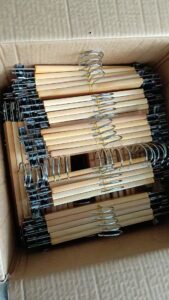
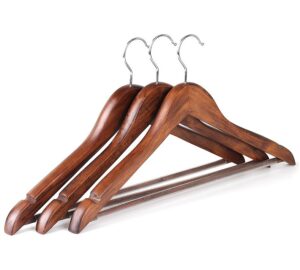
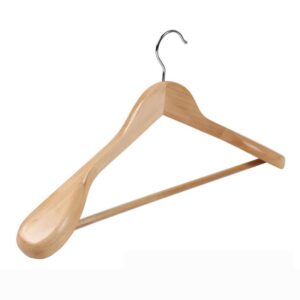
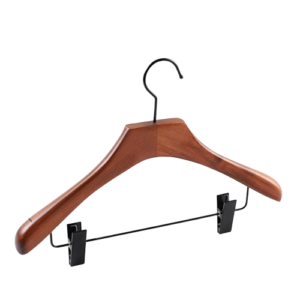
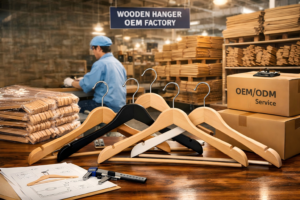
For global fashion brands, retail chains, and hospitality conglomerates, the wooden hanger is a subtle yet powerful extension of brand identity. When sourcing these essential display fixtures at scale, finding a manufacturing partner that balances craftsmanship, volume capacity, and cost-efficiency is paramount.
China remains the undisputed global hub for wooden hanger manufacturing. By partnering with a Chinese Original Equipment Manufacturer (OEM), brands can leverage world-class production infrastructure to create bespoke hanger solutions. This guide explores the strategic advantages of sourcing from an OEM wooden hanger factory in China and outlines how to navigate the procurement process successfully.
China’s Advantages in Wooden Hanger Manufacturing
While other manufacturing markets have emerged globally, China’s wooden hanger industry—centered largely in regions like Lipu (Guangxi Province), known as the “Hanger Capital of the World”—offers unparalleled structural advantages.
Supply Chain Integration
The concentration of hanger factories in specific industrial clusters in China has created a highly integrated ecosystem. Within a small geographic radius, a factory has direct access to raw timber ports, specialized metal hardware mills (producing hooks and clips), high-tech lacquer and paint suppliers, and custom packaging printers. This hyper-localization eliminates domestic shipping delays for components, shortens production lead times, and significantly lowers material costs.
Competitive Pricing
Thanks to advanced automation, high-speed wood-turning machinery, and massive economies of scale, Chinese factories offer highly competitive per-unit pricing. Even when factoring in international ocean freight and import customs duties, direct sourcing from a Chinese factory remains vastly more cost-effective than utilizing local distributors or regional suppliers in smaller manufacturing markets.
Large Production Capacity
Chinese factories are uniquely equipped to handle massive, high-volume rollouts. Whether a global department store needs 500,000 custom hangers for a synchronized nationwide rebranding, or a hospitality group requires recurring monthly shipments, Chinese manufacturers have the workforce, physical square footage, and automated machinery to scale up production rapidly without compromising on lead times.
OEM vs. ODM Explained
When engaging with a Chinese manufacturer, it is vital to understand the difference between OEM and ODM services to choose the right path for your brand.
+-------------------------------------------------------------+
|                     SOURCING OPTIONS                        |
+-------------------------------------------------------------+
|  OEM (Original Equipment Manufacturer)                      |
|  - Made to your exact drawings, materials, and dimensions.  |
|  - Exclusive molds and proprietary brand designs.           |
|                                                             |
|  ODM (Original Design Manufacturer)                         |
|  - Factory's existing molds and designs.                    |
|  - Fast turnaround; custom logos added to pre-made styles.  |
+-------------------------------------------------------------+
OEM (Original Equipment Manufacturer)
Under an OEM model, the factory manufactures hangers based entirely on your proprietary designs and technical specifications. You provide the 3D CAD files, exact dimensions, unique wood species, custom pantone colors, and metal hardware designs. The factory acts purely as your manufacturing arm. This is the ideal route for luxury brands and retailers with strict, non-negotiable visual merchandising standards.
ODM (Original Design Manufacturer)
With ODM, the factory offers a catalog of pre-designed, ready-made hanger styles that they already manufacture at scale. Buyers can select a standard mold and apply basic customizations, such as adding a printed logo or choosing from standard wood finishes. ODM is highly efficient, has lower Minimum Order Quantities (MOQs), and boasts much faster turnaround times, making it perfect for emerging brands and budget-conscious retailers.
Key Customization Services
A professional OEM factory in China provides end-to-end customization, turning a simple utility item into a premium branding asset.
Logo Engraving and Printing
The logo acts as the focal point of the hanger. Factories offer several techniques to apply branding:
- Laser Engraving / Debossing: Uses a high-precision laser to etch the logo directly into the wood. It offers a permanent, elegant, and tactile feel.
- Silk-Screen Printing: Ideal for sharp, vibrant, multi-colored logos. It is applied using high-durability inks to prevent scratching.
- Hot Foil Stamping: Presses metallic foils (typically gold, silver, rose gold, or black) into the wood for a striking, luxury-tier aesthetic.
Color and Finish Customization
The visual impact of a hanger is determined by its surface treatment. Chinese OEM factories can match any Pantone color or replicate natural wood grains using advanced staining, painting, and lacquering methods:
- Staining: Enhances the natural beauty of the wood grain while shifting the color tone (e.g., cherry, mahogany, or walnut stains on lotus wood).
- Lacquer Finishes: Available in matte, semi-gloss, or high-gloss styles, protecting the wood from humidity and wear.
- Specialty Coatings: Non-slip rubberized paint, distressed “shabby chic” rustic finishes, or velvet flocking.
Packaging Solutions
Retail-ready packaging is a critical component of OEM manufacturing. Factories can package hangers in customized retail display boxes, color-matched shrink-wrap sets with branded header cards, or heavy-duty, double-wall export cartons designed to handle transit wear.
Quality Control in Chinese Factories
Maintaining quality at scale requires a structured, multi-tier Quality Control (QC) program. Reputable Chinese OEM factories implement rigorous testing at every stage of production.
Material Inspection
The process begins long before the machines turn on. Raw lumber must be kiln-dried to a precise moisture content—typically between 8% and 12%. If the moisture content is too high, the hanger will warp or split when exported to drier climates; if it is too low, the wood becomes brittle and prone to cracking.
Production Testing
During assembly, factories conduct ongoing physical testing:
- Pull-Out Strength Tests: High-tensile machines pull on the metal hooks to ensure they can withstand loads (often exceeding 10 to 15 kg) without stripping the internal wood threads.
- Slickness and Snag Testing: Finished hangers are wiped down with delicate nylon stocking material to ensure there are absolutely no micro-splinters or rough patches that could snag luxury garments.
Export Quality Standards
Before cargo is loaded, professional factories conduct final random sampling based on the international AQL 2.5 / 4.0 (Acceptable Quality Limit) standard. This ensures that the overall defect rate of the shipment remains safely below acceptable commercial thresholds.
Certifications International Buyers Need
To comply with international trade laws and uphold corporate social responsibility (CSR) guidelines, global buyers must ensure their chosen Chinese factory holds the correct certifications.
FSC (Forest Stewardship Council)
FSC certification is the gold standard for wood sourcing. It proves that the timber used to manufacture your hangers was harvested from sustainably managed forests, protecting biodiversity and preventing illegal logging. Importing uncertified wood products into regions like the European Union (EU Timber Regulation) or the US (Lacey Act) can result in severe legal penalties and seizure of goods.
BSCI & Sedex
Social compliance is non-negotiable for modern retailers. BSCI (Business Social Compliance Initiative) and Sedex (SMETA) audits verify that the factory provides safe working conditions, fair wages, reasonable working hours, and strictly prohibits child or forced labor.
ISO Standards
Look for factories certified under ISO 9001 (Quality Management Systems) and ISO 14001 (Environmental Management Systems). These standards guarantee that the factory operates under structured, predictable, and environmentally conscious protocols.
How to Find a Reliable OEM Factory
Finding the right partner in a sea of options requires a methodical, step-by-step approach.
Find Candidates -> Perform Factory Audits -> Evaluate Samples -> Establish Communication
Factory Audits
Before signing a contract or wire-transferring a deposit, conduct a formal factory audit. If you cannot visit the facility in China personally, hire a reputable third-party inspection agency (such as QIMA, SGS, or Bureau Veritas) to visit the site. An audit confirms that the factory is an actual manufacturer—not a middleman trading company—and verifies their machinery, workforce, and financial stability.
Sample Evaluation
Always demand pre-production physical samples. Evaluate the weight, color accuracy, logo crispness, and hardware strength. Do not approve mass production until you hold a sample that meets 100% of your quality expectations. This sample will serve as the “Golden Sample” against which all future shipments are inspected.
Communication Efficiency
An exceptional OEM factory provides a dedicated, English-speaking account manager who understands the technical nuances of wooden hanger production. Rapid response times, clear documentation, and proactive problem-solving are indicators of a reliable partner who will keep your supply chain running smoothly.
Common Mistakes Buyers Make
- Choosing Based Only on Price: Extremely low prices are a major red flag. They are almost always achieved by using uncured wood (which will warp), cheap toxic lacquers (violating chemical safety laws like REACH or Prop 65), or exploitative labor practices.
- Ignoring QC Systems: Assuming the factory will “just make it right” without implementing third-party inspections. Always audit production before the final payment is released.
- Poor Specification Management: Failing to provide clear, written, and highly detailed specifications. Never use subjective terms like “medium gloss” or “sturdy hook”—define them in precise, measurable terms (e.g., “30% gloss level,” “withstands 12 kg pull force”).
Shipping & Export Support
A great Chinese OEM factory is also an expert in international logistics, offering flexible Incoterms and robust protective packaging.
FOB, CIF, and DDP Shipping
Most experienced exporters offer flexible shipping terms to accommodate your logistics capabilities:
- FOB (Free On Board): The factory handles manufacturing, export clearance, and delivery to the Chinese port (e.g., FOB Shanghai, FOB Shenzhen). You handle the ocean freight and import customs. This is the preferred method for buyers with existing freight forwarding partners.
- CIF (Cost, Insurance, and Freight): The seller pays cargo insurance and freight to deliver the goods to your destination port.
- DDP (Delivered Duty Paid): The factory’s logistics network handles the entire journey, including ocean shipping, customs clearance, duties, taxes, and final delivery to your warehouse door. Ideal for brands wanting a hassle-free, hands-off experience.
Packaging Protection for Long Voyages
Ocean freight involves exposing cargo to high humidity and temperature swings. Professional factories prevent mold and wood warping by:
- Using heavy-duty, moisture-resistant 5-layer corrugated export cartons.
- Individually wrapping hangers or placing protective tissue paper between them to prevent lacquer scratching.
- Placing industrial-grade desiccants (silica gel packs) in every carton.
- Wrapping entire pallets in heavy-duty stretch film to stabilize and protect the cargo during rough sea transits.
Conclusion
Partnering with an OEM wooden hanger factory in China allows global retailers and importers to access world-class manufacturing efficiency, infinite customization capabilities, and cost-effective pricing. By taking a structured approach—prioritizing certified factories, insisting on rigorous quality control, and choosing the right shipping terms—you can build a reliable, high-yield manufacturing partnership that elevates your brand’s retail presentation for years to come.