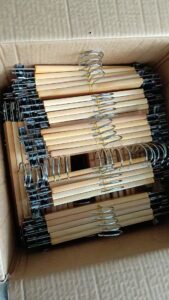
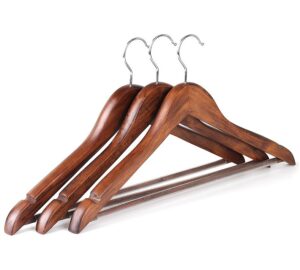
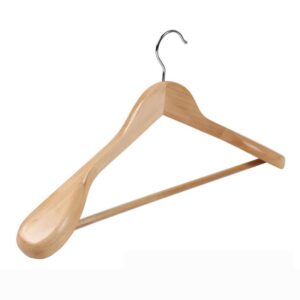
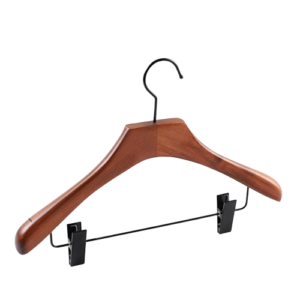
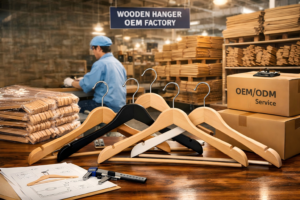
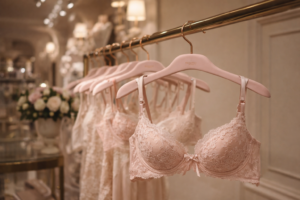
In the competitive landscapes of retail, hospitality, and apparel distribution, presentation is everything. The choice of display fixtures does not merely serve a functional purpose; it communicates brand identity, preserves garment structure, and enhances the overall customer experience. Among all options, high-quality wooden hangers remain the gold standard.
For retail buyers, brand managers, and global importers, sourcing wooden hangers in bulk is a strategic decision that requires balancing cost, quality, and supply chain logistics. This comprehensive sourcing guide is designed to walk you through every critical step of the procurement process, helping you avoid costly mistakes and secure the best manufacturing partners worldwide.
Why Bulk Sourcing Matters
Sourcing wooden hangers directly from manufacturers in high volumes is a standard practice for established brands, and for good reason. It offers distinct operational and financial advantages.
Cost Reduction
The most immediate benefit of bulk purchasing is the reduction in unit economics. Hanger manufacturing relies heavily on automated setups and raw material batch processing. When you order in bulk (typically starting at 1,000 to 5,000 units per style), the manufacturer’s setup costs are amortized over a larger volume, driving down the price per piece significantly. Additionally, bulk ordering drastically reduces per-unit shipping and custom clearance costs.
Supply Consistency
For retail chains and hospitality groups, maintaining visual consistency across all locations is vital. Hangers sourced incrementally from different domestic wholesalers often suffer from variations in wood grain, varnish shading, and hardware style. Bulk sourcing directly from a single factory batch guarantees that every hanger—whether in a flagship store in New York or a boutique in Paris—looks identical.
Branding Opportunities
When you purchase at a bulk threshold, manufacturers open up their full suite of customization options. From laser-etched logos to custom pantone-matched lacquer finishes and bespoke metal hardware, bulk sourcing transforms a simple utility item into a powerful brand touchpoint.
Define Your Hanger Requirements
Before reaching out to suppliers, you must define the precise technical specifications of the hangers you need. Ambiguity at this stage leads to misquoted prices and unusable samples.
Product Type
Different garments require different structural support. You will need to specify the hanger types required for your inventory:
- angie-hanger.pngSuit/Coat Hangers: Designed with thick, flared shoulders (often 4–6 cm wide) to support the heavy shoulder pads of suits and winter coats.
- Shirt/Top Hangers: Slimmer profiles (typically 1.2–1.5 cm thick) designed to maximize rack space while keeping shirts neat.
- Bottom/Pants Hangers: Equipped with felt-lined wooden bars, metal clips, or clamp mechanisms to hold trousers and skirts without leaving indentation marks.
- Lingerie/Strap Hangers: Feature precise notches on the shoulders to secure delicate straps.
Size and Dimensions
Hangers are not “one size fits all.” Standard adult hanger widths range from 43 cm to 45 cm for men’s clothing, and 38 cm to 40 cm for women’s apparel. Children’s hangers typically span 30 cm to 32 cm. Specifying the exact width and shoulder thickness is crucial to prevent garments from slipping off or getting stretched.
Weight Capacity
Consider the weight of the garments. A delicate silk blouse requires a lightweight hanger, whereas a heavy leather jacket or wool trench coat demands a heavy-duty hanger with a robust metal hook and a reinforced wooden bridge. Specify your load-bearing requirements (e.g., up to 5kg or 10kg) to the manufacturer.
Choosing the Right Material
The type of wood selected directly impacts the hanger’s durability, weight, appearance, and overall cost.
| Wood Type | Key Characteristics | Best Suited For | Cost Bracket |
| Lotus Wood | Lightweight, abundant, budget-friendly, smooth grain. | High-volume retail, fast fashion, promotional displays. | Budget / Economical |
| Beech Wood | Heavy, highly durable, dense grain, premium feel, resists denting. | Luxury retail, high-end hotels, heavy winter coats. | Mid-to-Premium |
| Walnut Wood | Rich dark color, luxurious natural grain, highly prestigious. | Premium menswear, bespoke tailoring, executive suites. | Luxury / High-End |
- Lotus Wood (Schima Superba): This is the industry standard for cost-effective wooden hangers. It absorbs finishes beautifully and offers a smooth texture, making it ideal for large-scale retail rollouts.
- Beech Wood: Imported primarily from Europe or sustainably managed forests in Asia, beech is incredibly strong and shock-resistant. It has a beautiful fine grain that looks stunning under clear coats.
- Walnut Wood: Known for its rich, deep brown hues and exquisite natural patterns, walnut represents the pinnacle of luxury. It is typically finished with a simple matte clear coat to highlight its natural beauty.
Important Customization Options
Customizing your hangers ensures they align perfectly with your brand’s aesthetic and visual merchandising standards.
Logo
The logo is your primary branding element on a hanger. Popular application methods include:
- Laser Engraving: Offers a clean, permanent, and premium debossed look. Best for a minimalist, natural aesthetic.
- Screen Printing: Ideal for vibrant, multi-colored logos. It requires high-quality ink to prevent scratching or fading over time.
- Hot Stamping: Uses metallic foils (gold, silver, bronze) pressed into the wood for a highly luxurious finish.
Hook Style
The hook connects the hanger to your retail display system. Ensure you specify:
- Shape: Round, square, or custom geometric shapes.
- Finish: Shiny chrome, matte black, brushed brass, rose gold, or antique bronze.
- Functionality: Standard hooks should have a 360-degree swivel capability for ease of merchandising.
Surface Finish
The finish protects the wood and determines its tactile feel. Options range from natural raw wood (sanded smooth but unfinished) to matte, semi-gloss, and high-gloss varnishes. You can also opt for specialty finishes like “rubberized paint” for a modern, non-slip grip.
Packaging
Bulk packaging must be designed to prevent damage during transit. Request that hangers be packed with protective foam sleeves between units, nested carefully inside heavy-duty double-wall corrugated cartons, and silica gel packs included to manage humidity.
How to Evaluate Suppliers
Finding a reliable manufacturing partner is the cornerstone of a successful sourcing strategy. Look beyond the price quote and evaluate suppliers on these three pillars:
Factory Capability
Ensure the factory has modern, automated wood-turning and CNC machinery. A factory relying solely on manual labor may struggle with dimensional consistency and meeting tight deadlines. Ask for details on their daily production capacity to ensure they can scale with your business.
Certifications
To protect your brand reputation, prioritize suppliers who hold internationally recognized certifications:
- FSC (Forest Stewardship Council): Guarantees that the wood is sourced from responsibly managed forests.
- ISO 9001: Demonstrates a reliable, structured quality management system.
- BSCI / Sedex: Audits social compliance, ensuring fair labor practices and safe working conditions.
Export Experience
An experienced exporter understands international shipping regulations, customs documentation, and regional quality compliance laws (such as REACH in Europe or Prop 65 in California). Working with an established exporter minimizes the risk of your shipment getting held up at customs.
MOQ and Pricing Structure
Understanding how hanger manufacturers structure their pricing helps you negotiate better deals.
Minimum Order Quantity (MOQ)
Standard MOQs for custom wooden hangers typically range from 1,000 to 3,000 pieces per style. For completely custom shapes or unique pantone colors, the MOQ may rise to 5,000 pieces. If you cannot meet these MOQs, you may have to choose from the supplier’s stock styles with basic logo printing.
Sample Costs
Before starting mass production, always request physical samples. While suppliers may charge a sample fee (ranging from $50 to $200 depending on customization) and courier fees, this cost is usually fully refundable once a formal bulk order is placed.
Volume Discounts and Container Optimization
Pricing is highly sensitive to volume. Moving from a Loose Container Load (LCL) of 5,000 hangers to a Full Container Load (FCL – 20ft or 40ft) can reduce your unit costs by 15% to 30%. Designing your order volumes to perfectly fill a standard container maximizes your shipping budget.
Quality Inspection Checklist
To maintain high standards, establish a clear Quality Control (QC) checklist with your manufacturer or third-party inspection agency (such as SGS or QIMA) before shipping.
- Surface Smoothness: Run a hand over the hanger. There must be zero splinters, rough edges, or grain raise that could snag delicate fabrics like silk or lace.
- Hook Durability: The metal hook must be securely anchored into the wood block. Conduct pull tests to ensure the hook can withstand forces exceeding 10–15 kg without pulling out or stripping the internal threads.
- Clip Strength: For pants hangers, test the spring tension of the metal clips. They must hold heavy garments secure without being so stiff that they damage fabrics. Felt or rubber pads inside the clips must be securely glued.
Shipping & Logistics Considerations
Wooden hangers are relatively heavy and bulky, making logistics a major component of your total landed cost.
Sea Freight vs. Air Freight
Due to the weight and volume of wooden hangers, air freight is rarely financially viable except for urgent sample approvals or small emergency shipments. Sea freight (FCL or LCL) is the standard industry method. Planning your orders 3 to 4 months in advance ensures you can utilize economical sea shipping.
Packaging Protection
Wood is a natural, hygroscopic material—it absorbs and releases moisture. During long sea voyages, temperature fluctuations inside shipping containers can cause condensation (“container sweat”). Ensure your supplier uses moisture-absorbent silica gel bags in every carton and wraps the pallets in waterproof plastic film.
Delivery Timelines
Typical production lead times for bulk custom wooden hangers range from 30 to 45 days after sample approval. Sea transit can add another 20 to 45 days depending on the destination port. Importers should plan their procurement cycles at least 90 to 120 days before the hangers are required in-store.
Common Sourcing Mistakes to Avoid
- Unclear Specifications: Relying on vague terms like “standard hanger” or “good quality finish.” Always provide a technical drawing with exact millimeter measurements, pantone colors, and material definitions.
- Ignoring Sustainability Compliance: Many countries impose heavy fines or confiscate shipments made of illegally logged timber. Always verify FSC certification and ask for chain-of-custody documentation.
- Poor Communication: Do not assume the manufacturer understands your expectations. Document every detail, from the exact placement of the logo to the thickness of the inner cardboard packaging, in a formal Purchase Order (PO).
Conclusion
Sourcing bulk wooden hangers is an investment in your brand’s visual identity and operational efficiency. By clearly defining your material and design specifications, partnering with certified and experienced manufacturers, and implementing a rigorous quality control process, you can secure high-quality display fixtures that elevate your merchandise and withstand years of retail use.
Plan your sourcing pipeline early, prioritize sustainability, and treat your hanger manufacturer as a long-term strategic partner to achieve the best results for your business.