Introduction
Canada’s hanger wholesale market is entering a new phase of transformation. While demand remains stable and steadily growing, the underlying dynamics of the market are shifting due to sustainability regulations, evolving retail structures, and rising expectations from B2B buyers.
For manufacturers and global suppliers, Canada represents a high-value but highly selective market. Success is no longer defined by price competitiveness alone—it requires a combination of product innovation, environmental compliance, and supply chain reliability.
In this article, we explore the key trends shaping the Canadian hanger wholesale market from 2025 to 2027 and provide actionable insights for suppliers looking to expand into North America.
1. Market Overview: Stable Growth with Strong Commercial Demand
Canada’s hanger market is projected to grow at a steady pace of over 6% CAGR through 2032, driven primarily by commercial demand such as retail stores, hospitality, and institutional buyers
The commercial segment dominates the market, accounting for the largest share and fastest growth, reflecting the importance of bulk procurement by businesses rather than individual consumers
Additionally, the broader North American hanger market is expected to grow at approximately 4.8% CAGR through 2034, supported by retail recovery and hotel expansion
Key Insight:
Canada is a B2B-driven market, where bulk buyers—not households—define purchasing trends.
2. Premiumization: A Shift Toward High-Quality Hangers
One of the most notable trends in Canada is the shift toward premium hanger products.
High-Growth Categories:
- Wooden hangers (fastest-growing segment)
- Velvet hangers (luxury closet solutions)
- Heavy-duty commercial hangers
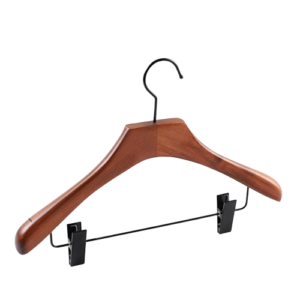
Wooden hangers, in particular, are experiencing strong growth due to their durability and brand appeal
At the same time, velvet hangers are gaining traction among both retail and home consumers due to their aesthetic appeal and non-slip functionality
Why Premium Products Are Growing
- Higher consumer purchasing power
- Strong demand from boutique retailers
- Growth in luxury hospitality sector
What This Means for Suppliers
Low-cost plastic hangers still dominate in volume, but premium products offer better margins and long-term partnerships.
3. Sustainability Is Driving Purchasing Decisions
Canada is one of the most environmentally conscious markets in North America, and this is significantly influencing hanger procurement.
Key Trends:
- Increased demand for recycled plastic hangers
- Growth of FSC-certified wooden hangers
- Rising interest in paper-based and biodegradable hangers
Globally, manufacturers are shifting toward eco-friendly materials such as bamboo, recycled plastics, and biodegradable polymers
In addition, innovations like paper-based hangers are expected to capture up to 15–20% of market share within five years
Industry Transformation
Retailers are moving away from disposable hanger models toward:
- Reuse systems
- Circular supply chains
- Sustainable sourcing policies
Key Insight
In Canada, sustainability is no longer optional—it is often a procurement requirement, especially for large retail chains.
4. E-commerce Expansion Is Reshaping Demand
E-commerce is one of the fastest-growing sales channels in Canada’s hanger market, with online sales showing the highest growth rate among all distribution modes
This shift is fundamentally changing how hangers are designed and supplied.
New Product Requirements:
- Lightweight materials to reduce shipping costs
- Stackable designs for warehouse efficiency
- Protective packaging for long-distance transport
E-commerce growth is also enabling smaller brands to enter the market, increasing demand for:
- Small-batch orders
- Flexible production
- Faster delivery cycles
Key Insight
Suppliers who can adapt to e-commerce logistics requirements will have a significant competitive advantage.
5. Customization and Branding Are Becoming Standard
In Canada’s competitive retail environment, brand identity is crucial. Hangers are no longer just functional—they are part of the customer experience.
Growing Demand for:
- Logo printing or engraving
- Custom colors and finishes
- Product-specific designs (suits, pants, dresses)
Premium and retail brands are increasingly using customized hangers to enhance visual merchandising and reinforce brand identity
Supplier Opportunity
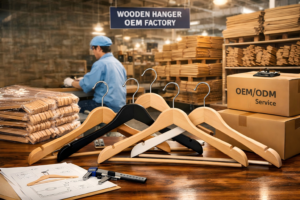
Offering OEM/ODM services is essential for:
- Retail chains
- Fashion brands
- Boutique stores
Key Insight
Customization is shifting from a value-added service to a standard expectation.
6. Space Efficiency and Functional Design Trends
Urban living and smaller living spaces are influencing hanger design in Canada.
Popular Features:
- Slim-profile hangers
- Multi-functional hangers (multi-layer, cascading)
- Non-slip coatings
Consumers and businesses are increasingly looking for solutions that:
- Maximize closet space
- Improve organization
- Enhance durability
Industry Innovation
Manufacturers are investing in:
- Ergonomic designs
- Multi-use functionality
- Lightweight yet strong materials
Key Insight
Design innovation is becoming a key differentiator in the wholesale market.
7. Supply Chain Expectations Are Increasing
Canada relies heavily on imported hangers, particularly from Asia, but buyer expectations are becoming more stringent.
Key Requirements:
- Consistent product quality
- Reliable lead times
- Full compliance documentation
Buyers are prioritizing long-term reliability over low pricing, especially in commercial contracts.
Supply Chain Challenges:
- Rising freight costs
- Material price fluctuations
- Regulatory compliance
Key Insight
Suppliers must position themselves as reliable partners, not just low-cost vendors.
8. Buyer Structure: Diverse but Demanding
Canada’s hanger wholesale market consists of several key buyer segments:
1. Retail Chains
- High-volume purchases
- Strict quality and branding requirements
2. E-commerce Brands
- Smaller, frequent orders
- Fast turnaround expectations
3. Hospitality Industry
- Hotels, serviced apartments
- Demand for premium, durable hangers
4. Laundry and Commercial Services
- Price-sensitive
- Bulk purchasing
Market Trend
- Large buyers are becoming more consolidated
- Smaller buyers are increasing but fragmented
Key Insight
Flexibility is essential—suppliers must serve both large-scale and small-batch clients.
9. Product Trends: What’s Selling in Canada
🔥 1. Wooden Hangers
- Premium segment leader
- Strong demand from retail and hospitality
🔥 2. Velvet Hangers
- Popular in both home and retail
- Combines aesthetics with functionality
🔥 3. Eco-Friendly Hangers
- Fastest-growing category
- Driven by sustainability policies
🔥 4. Heavy-Duty Hangers
- Essential for outerwear and uniforms
Overall Direction
The Canadian market is shifting toward:
- Higher durability
- Better aesthetics
- Sustainable materials
10. Future Outlook: Opportunities and Risks
Opportunities
- Eco-friendly product lines
- Customized hanger solutions
- E-commerce partnerships
Risks
- Increasing environmental regulations
- Competition from alternative storage solutions
Alternative storage methods such as shelving and storage boxes are emerging as substitutes, potentially limiting hanger demand growth
Conclusion
The Canadian hanger wholesale market is evolving into a value-driven ecosystem defined by sustainability, customization, and premium quality.
Suppliers who want to succeed in this market must go beyond offering low-cost products and instead focus on delivering comprehensive solutions that meet modern buyer expectations.
Final Takeaway
To win in Canada, suppliers must provide:
- High-quality and durable products
- Eco-friendly materials and certifications
- Customization capabilities
- Reliable supply chain performance
In short: Canada is not a price market—it is a value market.