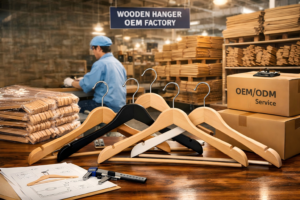
Australia’s hanger wholesale market is undergoing a quiet but significant transformation. While overall demand remains stable, the structure of the market is evolving rapidly due to changing consumer expectations, sustainability regulations, and retail shifts.
For global suppliers—especially manufacturers targeting B2B clients—understanding these trends is essential to stay competitive and win long-term contracts.
In this guide, we break down the key trends shaping the Australian hanger wholesale market from 2025 to 2027, and what they mean for suppliers looking to expand in this region.
1. A Stable Market with Shifting Demand Structure
The Australian hanger market continues to grow steadily, supported by:
- The retail fashion industry
- E-commerce expansion
- Household organization demand
However, recent data shows a decline in low-value imports, indicating a shift away from price-driven purchasing toward higher-quality, value-added products.
Key Insight:
The market is not shrinking—it is upgrading.
Buyers are moving from:
- Cheap, generic hangers
➡️ To - Durable, branded, and sustainable solutions
2. Customization Is No Longer Optional
One of the most important trends in Australia’s B2B hanger market is the growing demand for customization.
Retailers increasingly require:
- Logo printing or engraving
- Brand-specific colors
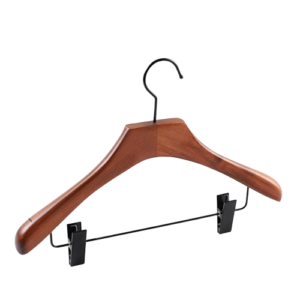
- Tailored hanger shapes (suits, pants, dresses)
Why It Matters
In a competitive retail environment, visual merchandising plays a critical role. Hangers are no longer just functional tools—they are part of the brand identity.
For mid-to-high-end retailers, consistent presentation across all stores is essential.
What This Means for Suppliers
To succeed in Australia, suppliers must offer:
- OEM & ODM capabilities
- Flexible customization options
- Low MOQ for branded orders
Customization is now a key decision factor—not a premium add-on.
3. Sustainability Is a Market Entry Requirement
Environmental awareness in Australia is high, and this is directly impacting procurement decisions.
Wholesale buyers increasingly prioritize:
- Recycled plastic hangers
- FSC-certified wooden hangers
- Paper-based or biodegradable alternatives
Industry Shift
Large retailers and corporate buyers are adopting ESG policies, requiring suppliers to meet sustainability standards.
Required Certifications
To remain competitive, suppliers should consider:
- FSC (for wood products)
- GRS (Global Recycled Standard)
- REACH compliance
Key Insight
Eco-friendly is no longer a marketing advantage—it is a baseline requirement.
4. Retail Transformation Is Changing Product Requirements
Australia’s retail landscape is evolving with the growth of e-commerce, but physical stores still dominate hanger demand.
However, the rise of online retail is influencing product design and logistics.
New Requirements Include:
- Lightweight designs to reduce shipping costs
- Stackable shapes for efficient storage
- Durable packaging for transport
Opportunity for Suppliers
Suppliers who can optimize:
- Packaging efficiency
- Carton utilization
- Shipping cost reduction
will gain a competitive advantage.
5. Space-Saving Designs Are in High Demand
Urban living in Australia is driving demand for space-efficient storage solutions.
As a result, hanger designs are evolving to maximize closet space.
Popular Product Types
- Slim hangers (ultra-thin profiles)
- Multi-functional hangers (multi-layer or cascading)
- Velvet hangers (non-slip and compact)
Buyer Preference
Retailers and consumers alike are prioritizing:
- Functionality
- Space efficiency
- Clean, uniform appearance
Key Insight
Design innovation is becoming as important as price.
6. Changing Buyer Structure in the Wholesale Market
The Australian B2B hanger market consists of several key buyer segments:
1. Retail Chains
- Large-volume orders
- High customization requirements
- Strict quality standards
2. E-commerce Brands
- Smaller batch sizes
- Faster restocking cycles
- Focus on packaging and logistics
3. Hospitality Sector (Hotels & Apartments)
- Consistent demand
- Preference for durable, premium hangers
4. Laundry Services
- Price-sensitive
- Bulk purchasing
Market Shift
- Large buyers are becoming fewer but more demanding
- Small and medium buyers are increasing but more fragmented
What This Means
Suppliers must be flexible enough to serve:
- High-volume customized orders
- Smaller, fast-moving clients
7. Supply Chain Expectations Are Rising
Australia relies heavily on imports for hanger supply, with China and Southeast Asia being the primary sources.
However, buyer expectations have increased significantly.
Key Supplier Requirements
- Stable lead times
- Consistent product quality
- Complete documentation (compliance & certifications)
Decision Factors
Buyers are now prioritizing:
- Reliability over lowest price
- Long-term partnerships over one-time deals
Key Insight
Being “cheap” is no longer enough—being “dependable” is critical.
8. Product Trends: What’s Selling in Australia
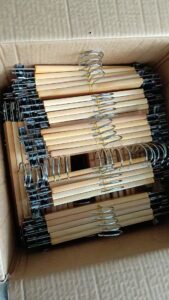
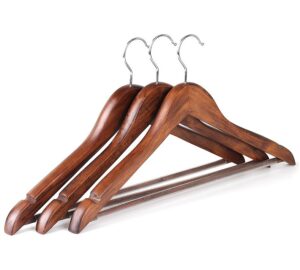
1. Wooden Hangers (Premium Segment)
- Ideal for fashion brands
- Strong focus on aesthetics and branding
2. Velvet Hangers
- Non-slip surface
- Popular for both retail and home use
3. Eco-Friendly Hangers (Fastest Growing)
- Paper hangers
- Recycled plastic options
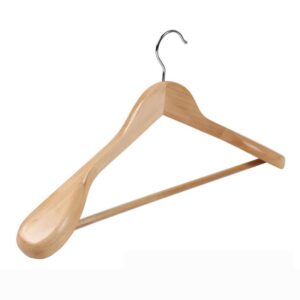
4. Heavy-Duty Hangers
- Used for coats, suits, and hospitality applications
Trend Summary
The market is moving toward:
- Higher durability
- Better design
- Sustainable materials
9. Pricing Trends and Profit Opportunities
Several factors are influencing pricing in the Australian market:
- Raw material costs (plastic, wood)
- Freight and logistics expenses
- Sustainability compliance costs
Market Reality
- Low-end products face intense price competition
- Mid-to-high-end products offer better margins
Strategy for Suppliers
Focus on:
- Value-added products
- Differentiation through design or sustainability
instead of competing solely on price.
10. Future Outlook: Opportunities and Risks
Opportunities
- Eco-friendly hanger solutions
- Custom branding services
- E-commerce supply chain partnerships
Risks
- Increasing environmental regulations
- Substitution by alternative storage solutions
Conclusion
The Australian hanger wholesale market is transitioning from a price-driven model to a value-driven ecosystem.
Buyers are no longer just looking for the cheapest option—they want:
- Customization
- Sustainability
- Reliability
- Functional design
For global suppliers, especially manufacturers, this shift presents both a challenge and an opportunity.
Final Takeaway
Success in the Australian market will depend on your ability to deliver:
“More than a hanger—offer a complete solution.”