In 2026, boutique hotels continue to redefine luxury through individuality, storytelling, and highly curated guest experiences. Unlike large hotel chains that rely on standardized systems, boutique hotels focus on distinct identity and emotional connection. Every design element—no matter how small—becomes part of that narrative.
Among these details, custom hangers are gaining increasing attention. Once considered purely functional, they are now integrated into the overall design language of boutique spaces. The latest trend is clear: minimalism meets luxury, where simplicity, material quality, and subtle branding work together to create a refined experience.
Boutique Hotel Aesthetic Philosophy
Boutique hotels are built on the idea that design is the brand. Their aesthetic philosophy differs significantly from traditional luxury hotels.
A unique design language for small luxury properties
Boutique hotels often embrace:
- Local cultural influences
- Artistic interior concepts
- Carefully curated furniture and accessories
Rather than following a uniform global standard, each property tells its own story. This means even small items like hangers must align with the hotel’s interior theme.
“Details define the brand”
In boutique hospitality, guests notice the details:
- The texture of materials
- The harmony of colors
- The consistency of design elements
A mismatched hanger can disrupt an otherwise perfect room aesthetic. On the other hand, a thoughtfully designed hanger enhances the sense of cohesion and quality.
Trending Hanger Designs in 2026
Hanger design trends for boutique hotels in 2026 are centered around simplicity, texture, and understated elegance.
Minimalist silhouettes
Clean, simple lines dominate:
- Slim profiles that reduce visual clutter
- Soft curves for a more organic feel
- No unnecessary decorative elements
Minimalism allows the hanger to blend seamlessly into the wardrobe environment.
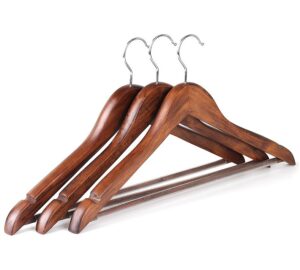
Matte black and natural wood tones
Color trends reflect modern interior design preferences:
- Matte black for contemporary, industrial-style boutique hotels
- Natural wood finishes for warm, organic, or Scandinavian-inspired spaces
These tones create a calm and premium visual impression without being overly decorative.
No-logo vs micro-logo trend
Branding on boutique hotel hangers is becoming more subtle:
- No-logo designs for ultra-minimalist spaces
- Micro-logo placement (small, discreet branding) for a refined touch
The goal is to maintain brand identity without overwhelming the visual experience.
Customization for Boutique Brands
Customization is essential for boutique hotels, as they rarely adopt off-the-shelf solutions.
Shape customization
Different garment types and design aesthetics require tailored hanger shapes:
- Curved hangers for maintaining garment structure
- Ultra-slim hangers for space efficiency and minimalism
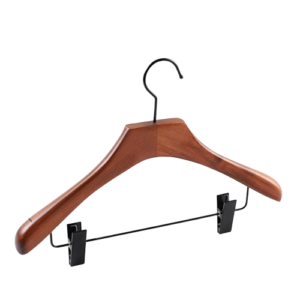
- Wide-shoulder hangers for suits and coats
Custom shapes also contribute to the overall visual consistency of the wardrobe.
Exclusive color systems
Boutique hotels often develop their own color palettes:
- Matching hangers with furniture, walls, or brand colors
- Custom stains or coatings for wood
- Unique finishes such as soft matte or satin textures
This level of customization ensures every detail aligns with the brand identity.
Material Selection for Boutique Hotels
Material choice plays a critical role in achieving both aesthetic and sustainability goals.
Eco-friendly wood materials
Sustainability is becoming a core value in boutique hospitality:
- FSC-certified wood
- Low-emission coatings
- Natural finishes with minimal chemical treatment
Eco-friendly materials not only reduce environmental impact but also enhance brand storytelling.
Recycled material trends
Some boutique hotels are exploring innovative materials:
- Recycled plastics with premium finishes
- Composite materials that mimic natural textures
- Upcycled design concepts
These options appeal to environmentally conscious travelers.
High-end plastic vs wood comparison
While wood remains the preferred choice, high-end plastic hangers are evolving:
- Premium plastic offers consistency and cost efficiency
- Wood provides a more authentic and luxurious feel
Boutique hotels often choose based on their positioning:
- Luxury-focused brands prefer wood
- Design-driven or modern brands may adopt advanced plastics
Supplier Selection Guide
Choosing the right manufacturer is crucial for boutique hotel projects, especially due to their unique requirements.
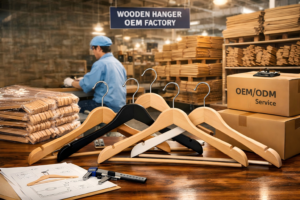
Flexible production for small batches
Unlike large hotel chains, boutique hotels typically require:
- Lower minimum order quantities (MOQ)
- Ability to produce limited runs
- Flexibility in design adjustments
A supplier must be able to accommodate customization without imposing large-scale production constraints.
Design collaboration capability
Boutique projects often involve close collaboration between designers and manufacturers:
- Ability to interpret design concepts
- Support for prototyping and sampling
- Experience in custom development
Manufacturers who can act as design partners—not just producers—add significant value.
Future Trend: “Invisible Branding”
One of the most important emerging trends in boutique hospitality is “invisible branding.”
What is invisible branding?
Invisible branding focuses on subtle, almost unnoticeable brand expression:
- No large logos or obvious marks
- Branding integrated into form, material, or finish
- Recognition through consistency rather than visibility
Why it matters
Modern luxury consumers increasingly prefer:
- Authenticity over overt branding
- Quiet sophistication
- Design-led identity
In this context, a hanger does not need a visible logo to communicate brand value. Its quality, material, and design consistency already reflect the hotel’s identity.
Application in hanger design
Invisible branding can be achieved through:
- Signature shapes unique to the hotel
- Consistent color tones across all room elements
- Premium materials that signal quality
This approach aligns perfectly with boutique hotel philosophy—luxury that speaks softly but leaves a lasting impression.
Conclusion
As boutique hotels continue to shape the future of luxury hospitality, the importance of design consistency and subtle branding becomes even more critical. Custom hangers, once overlooked, are now an integral part of this ecosystem.
In 2026, the trend of minimalism meets luxury defines hanger design:
- Clean lines and refined shapes
- Natural and matte finishes
- Sustainable materials
- Subtle or invisible branding
For boutique hotel brands, investing in customized hanger solutions is not just about functionality—it is about reinforcing identity, enhancing guest perception, and delivering a truly cohesive experience.
In a market where details define success, even a hanger can become a powerful expression of brand philosophy.